
In the days of primary five, a teacher once told us that certain bacterium in pork causes the skin to develop mole-like black spots as one ages. And for that, we should try to abstain from consuming this piece of pink meat. While other friends started to plan for a reshuffle in their choice of meat (in fear of turning into one of those reptile aliens from V), I knew he was just teasing. The teacher’s statement traumatized many to a point where my breakfast (which usually consisted of bak kwa or dried meat, sandwiched between slices of white bread and filled with pork/chicken floss) was labeled as poisonous and became the laughing stock of the class.
Yes, the kids were mean but I didn’t blame my friends for they were afterall, just kids. But this incident did make me think for quite a few recesses and here are some interesting thoughts that came out of an eleven years-old during that time of mental turmoil.
1. I am a babitarian (think pork as what greens are to vegetarians).
2. I must excel in Science to prove the teacher wrong.
3. I should respect my friends of different beliefs.
4. Should my next pork belly be braised or roasted?
Versatility should be the porcine’s middle name. From stew to grill and smoke to roast, the subtly pinkish meat does it all, provided it’s fresh. I wouldn’t recommend raw though as that perhaps, will lead to those black spots. Or other more lethal diseases for that matter.
And Bak Kut Teh is definitely one of sunshine meat’s greatest hits. It has evolved from the very fundamental Chinese tea/meat soup to now, an avant garde pot of everything possible including abalone.
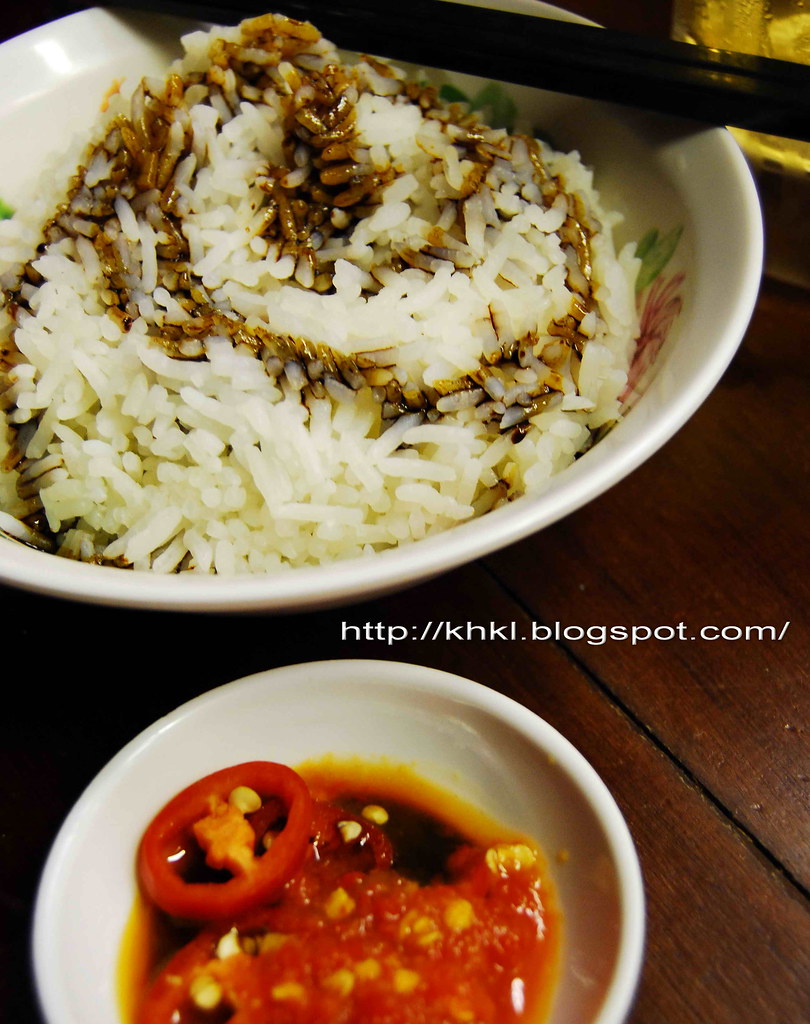
I was glad that Song Fa kept the menu simple and rather conservative. All the basic needs for a pleasant Bak Kut Teh experience.
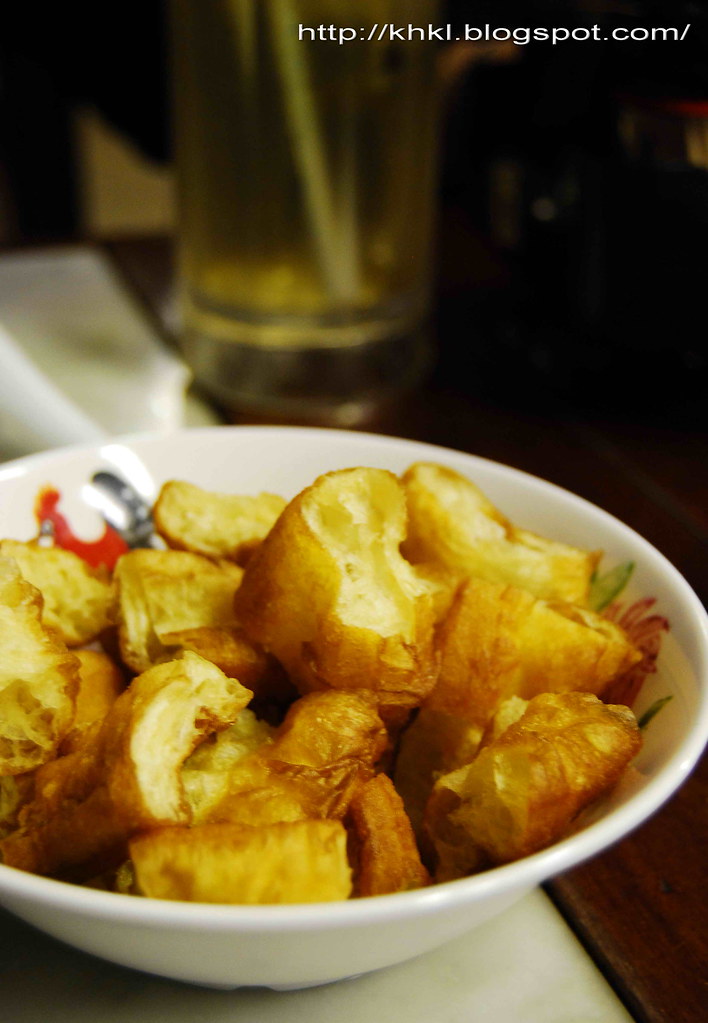
We started with a dip of the cut dough fritters (S$2.00) into the herbal soup. Could they have imposed corkage charge on the dough fritters, I would have gladly brought my own from the infamous yaw char kway stall at Rochor Road. Then again, the ones they offered were not bad, just ordinary.
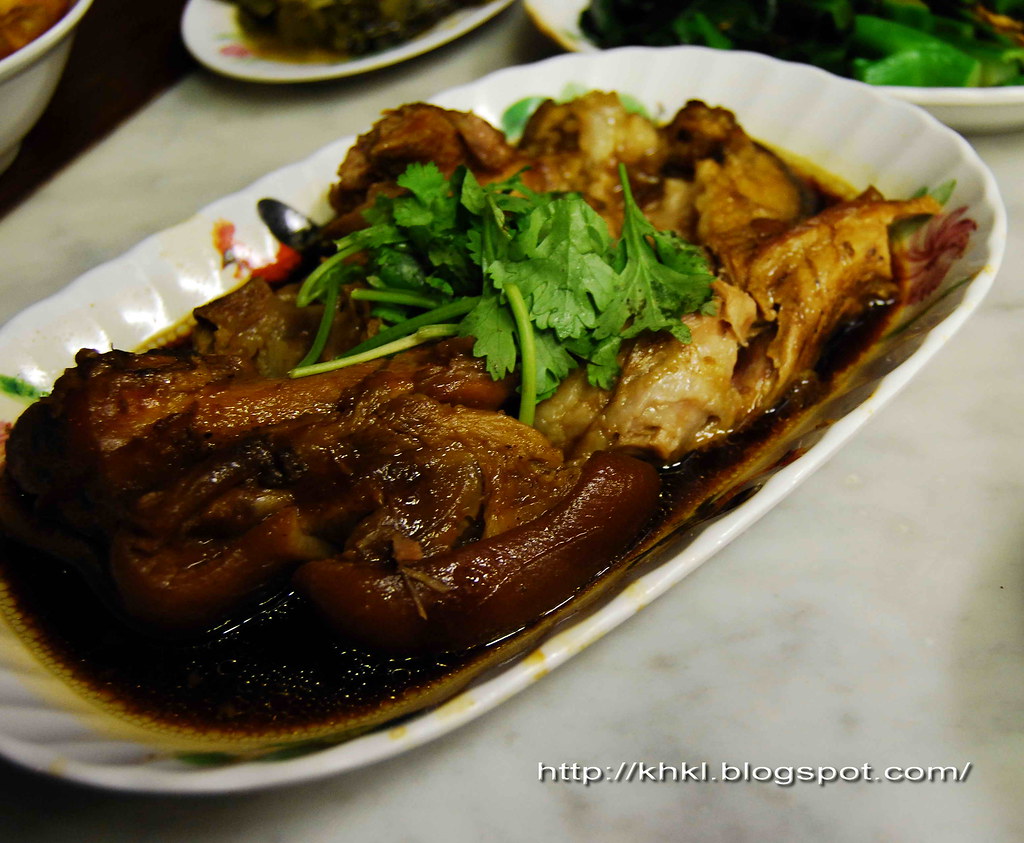
Fat and lean pork run together perfectly along the beach at sunset, provided they are well-cooked. Sensuous Romantic and delicious. Same goes to the braised pig’s trotter (S$8.00). Although the fatty part could have been softer, it was smooth enough to slide well into the throat, hand in hand with the flaky lean portion of the meat. The dense, glistening soy sauce-based braise went well with the white rice too.
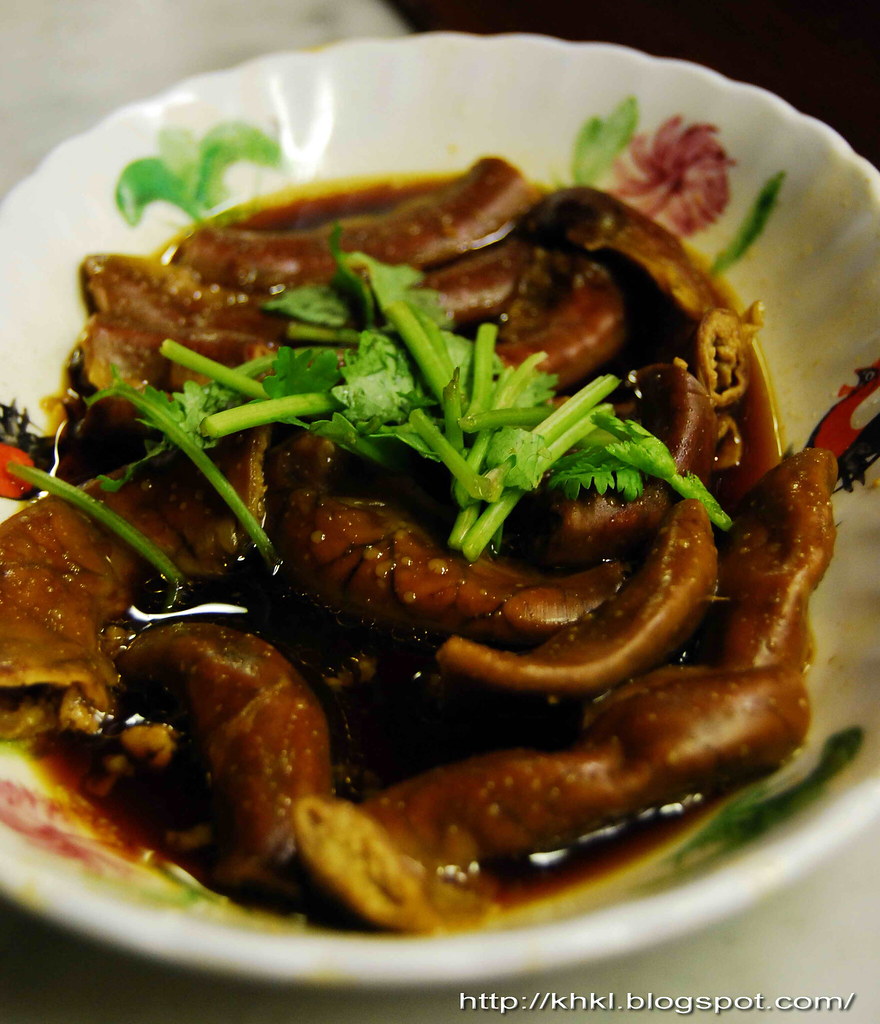
There’s something about intestines that make them irresistable. To me, it’s the soft, slightly chewy texture of the linings. Think not what it contains and you’ll be off a happy diner. Superficiality has its merits sometimes. Song Fa’s braised intestines (S$5.50) were not too bad, given the soft texture and the nice braise (which was almost identical to the trotters’). A while longer under the heat would have softened the intestines even more.
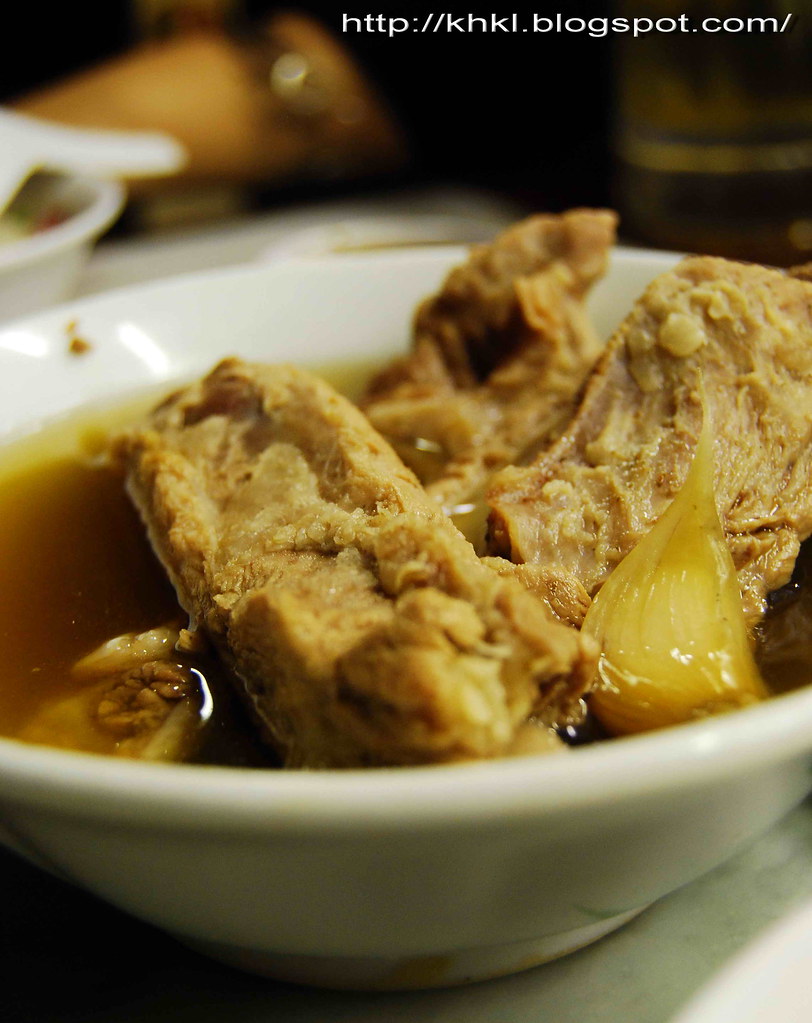
Bak Kut Teh can never do without pork ribs, claypot or not. Here, the ribs come in a rather huge portion, at S$7.50. The highlight was definitely the soft, flaky meat with bits of fats still kept intact. Slightly tea-like, the soup base was mildly herbed and sweet. Certainly lacked that something that raises an eyebrow. A missing herb, perhaps?
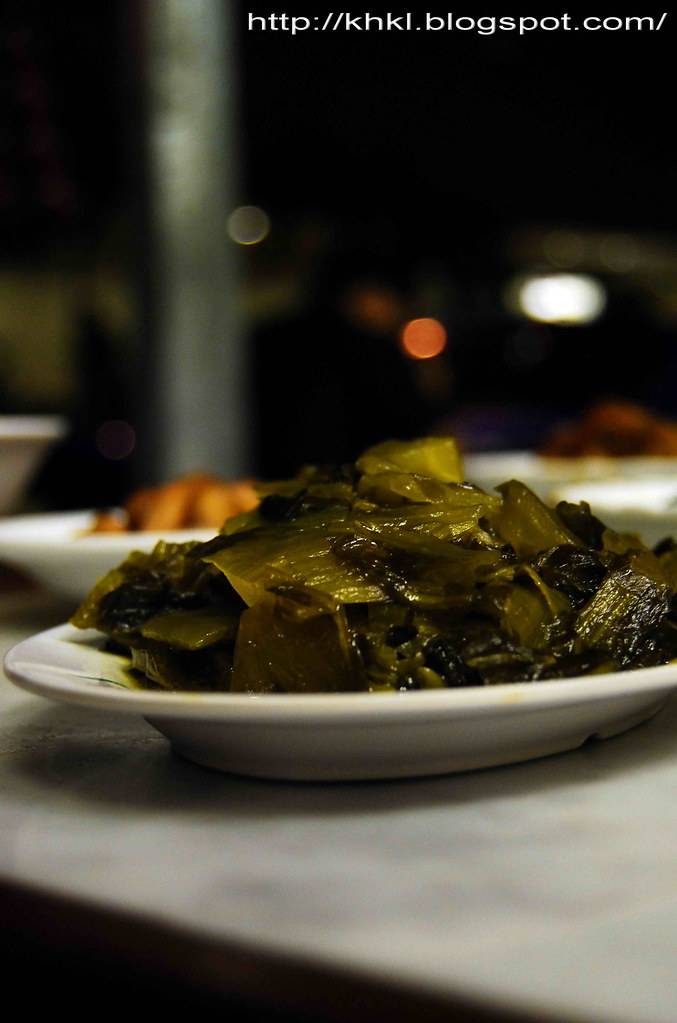
The Teochew-styled salted vegetable (S$2.00) was crunchy and of course, salty. Not too oily as well.

Here’s a rather paradoxical question; do we need a larger shopping mall or a taller tower? That aside, how about a larger piece of rib? Yes, yes, yes. From the loins, the ribs at S$6.50 were huge and looked promising. It was not too bad but would have been better had the meat came without a tad undercooked taste.
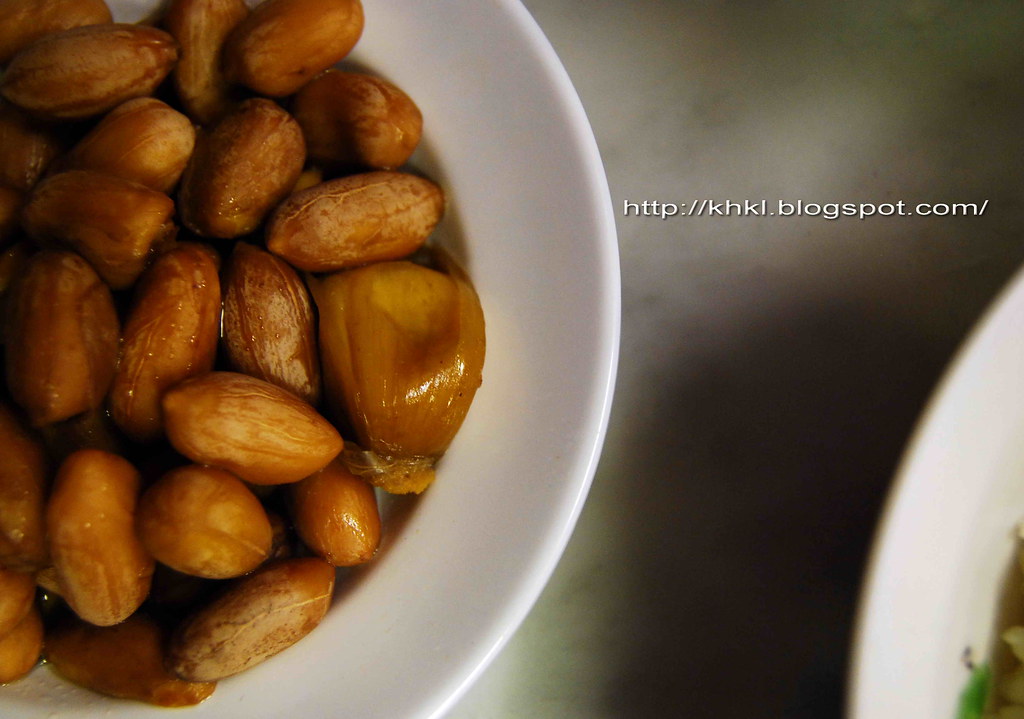
A pleasant experience with affordable prices. Okay lah.
I wonder if my teacher is still telling his students the same old tale. One thing’s for sure; he must be very disappointed in me. Vice-versa, I guess.
Song Fa Bak Kut Teh
11, New Bridge Road
(Upper Circular Road)
#01-01
Singapore
Tel: (+65) 65336128


